



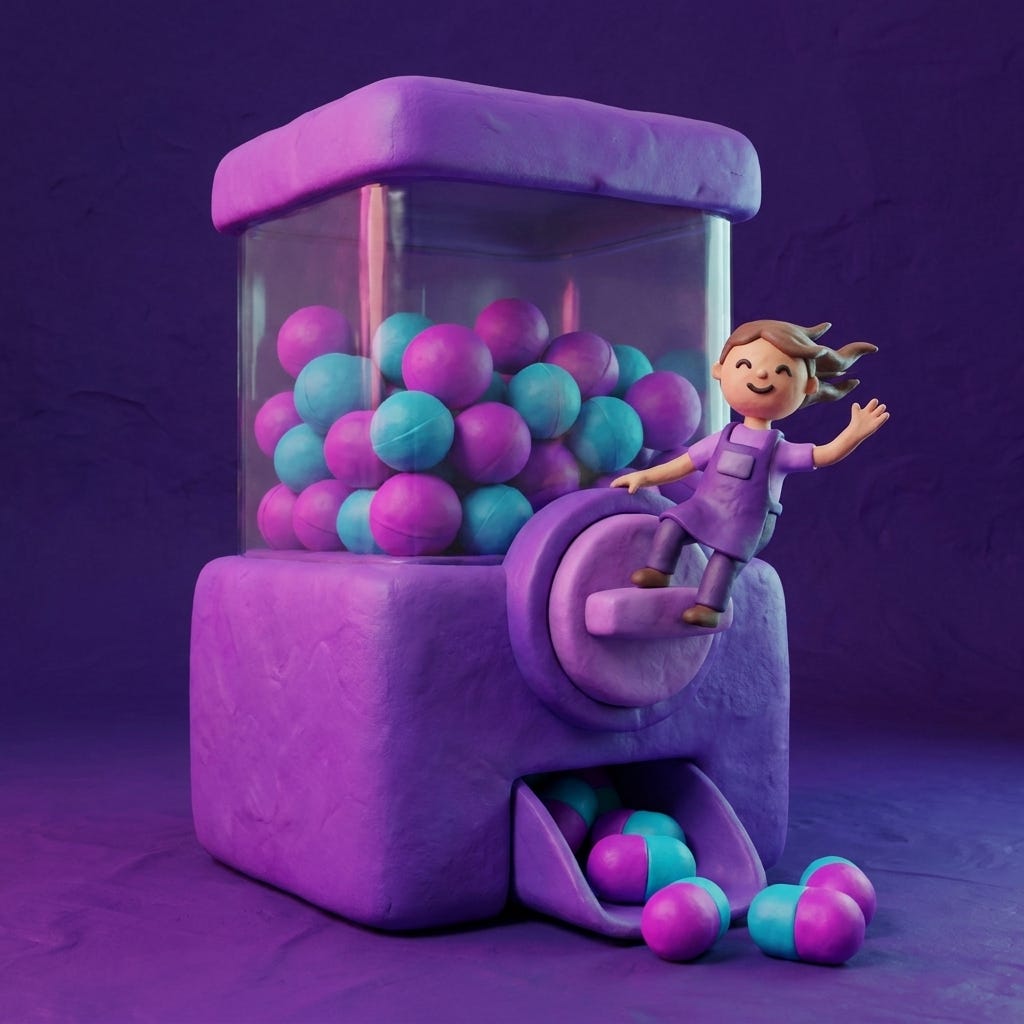
Taiwan Creative Content Fest ran November 6 to 9, 2026 in Taipei, under the theme Reshape, with 12 Forum sessions, more than 20 speakers, and 107 exhibitors. CODAME gazes into the White Mirror, futures shaped by imagination, care, and collaboration, and Taipei gave that gaze a working week of panels, pitches, and prototypes to look at.
The sharpest lessons for artists and creatives came from the AI film panel and the animation panel: where to play, what to train, when to refuse, and what to write down before the work starts.
Move the play earlier, where it is cheap
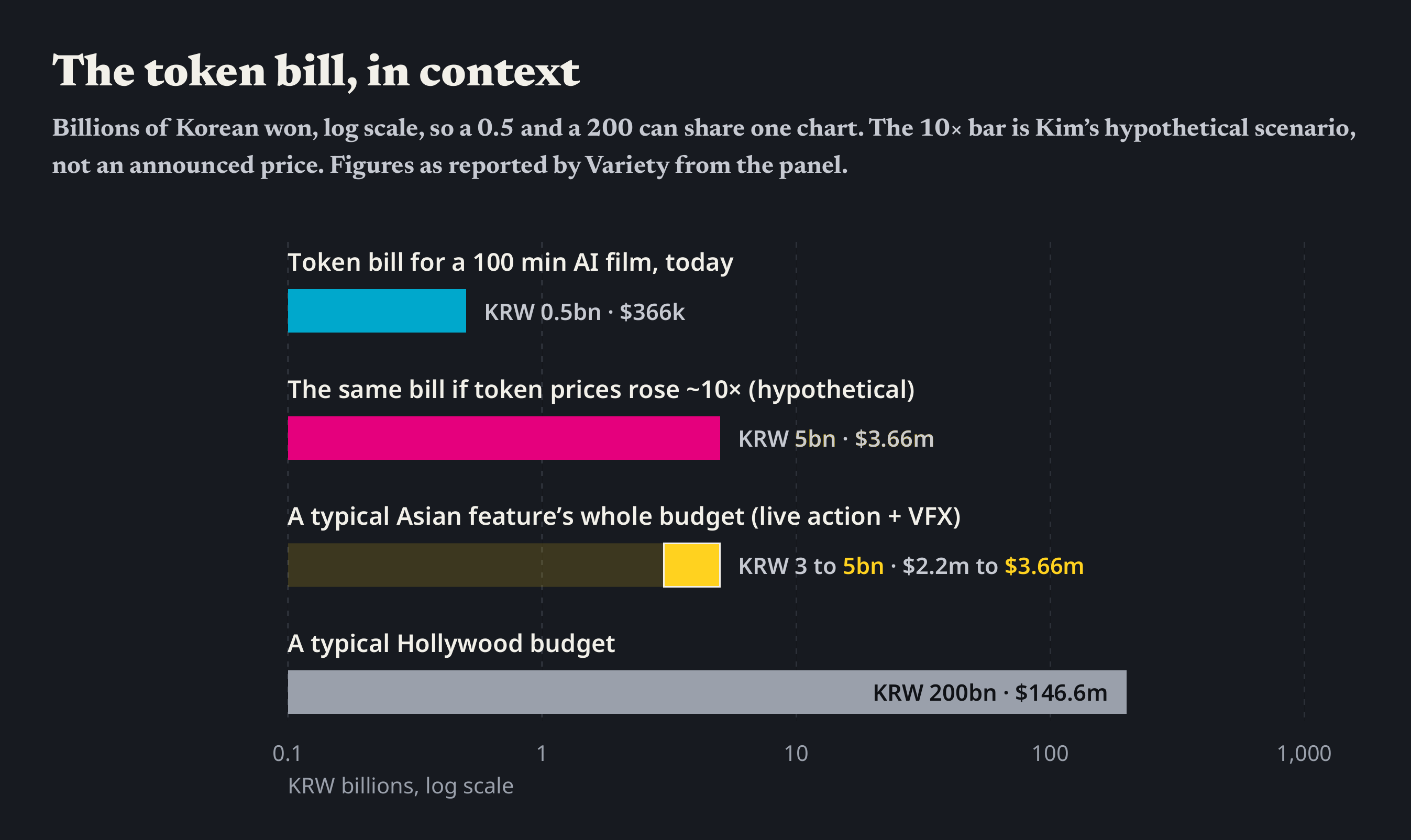
Kim Kwang-jib, founder and CEO of Studio Meta-K in South Korea, put the token bill for a 100 minute AI film at over 500 million won, about $366,000, using the most expensive commercial tools. His sharper point was about revisions: ten changes sent together cost one re-render, while the same ten changes sent one a day cost ten re-renders and ten payments.
When every render is metered, preproduction becomes the playground again: previs, storyboards and batched decisions. Kim’s revision trap is a budgeting rule and a creative one. Experiment wildly on paper, commit carefully on the meter.
“Unless the preproduction stage is made solid, I think AI could end up spending even more money than in the 35mm film era.” Kim Kwang-jib, Studio Meta-K
Lee Sang-wook, head of the AI Content Lab at MBC C&I, showed what that discipline looks like over a whole feature. His lab’s 139 minute AI film Raphael took a year and four months to make, opens in Korean cinemas on November 25, and had shots that kept about 10 artists busy for a full day.
The hybrid answer: generate the crowd, shoot the face
Kim does not think audiences will yet pay to watch fully AI films or series, so Studio Meta-K works hybrid. A scene needing more than 500 extras, with costumes, hair and makeup, can be generated. Only the leads’ close-ups need to be shot live.
“I don’t see AI replacing that workforce. I personally think workers who have learned AI will replace workers who haven’t.” Kim Kwang-jib, Studio Meta-K
Train small, train on your own work
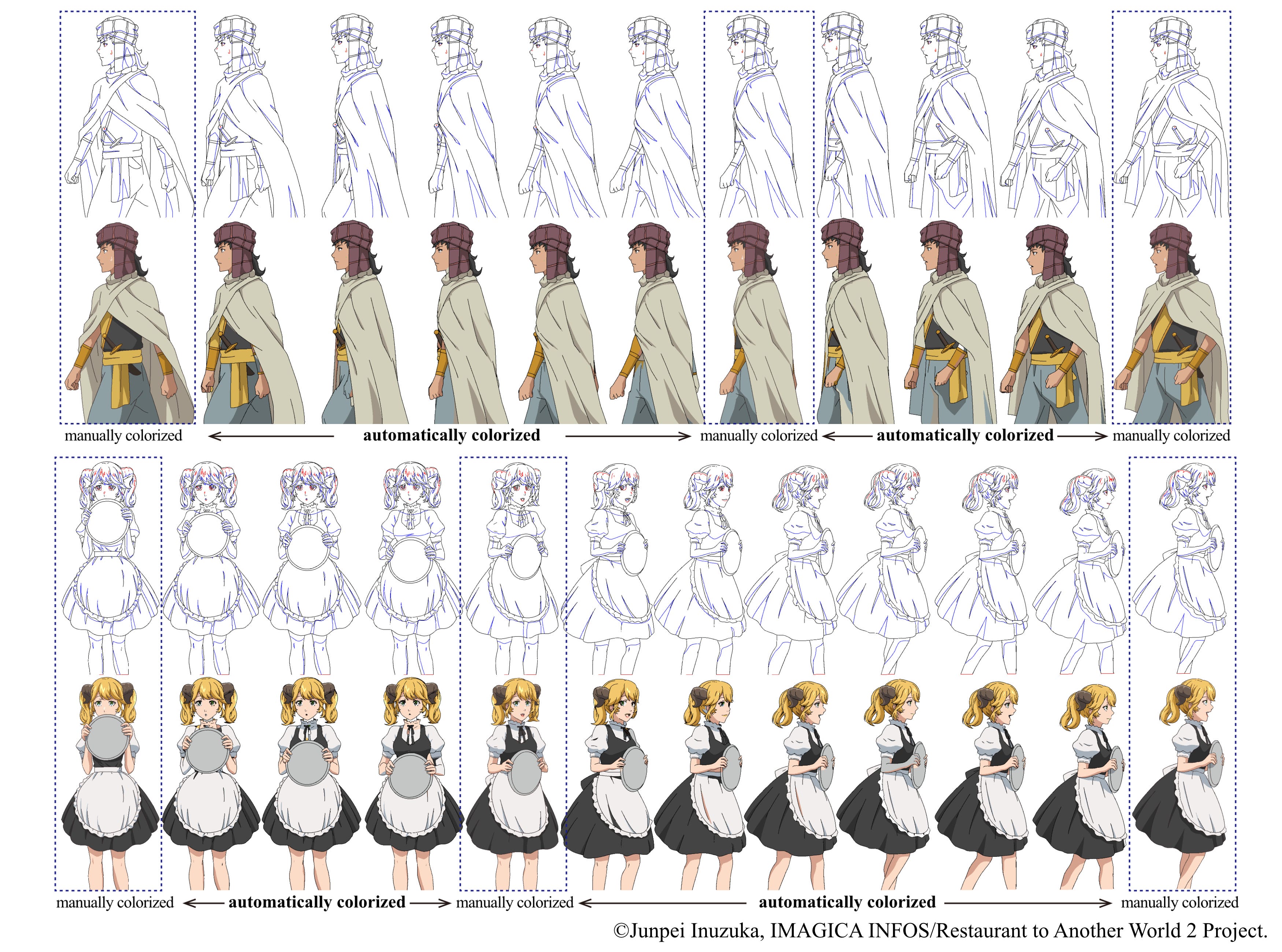
Tatsuo Yotsukura of OLM Digital in Japan described a colouring tool that learns a show’s look from just three hand-painted frames: an artist colours three frames by hand, the system learns line shapes and palette in about 90 seconds, then colours each remaining frame in about 15 seconds. It came out of ANIMINS, a 15 month research project under GENIAC, Japan’s government generative AI programme, which wrapped in February 2026, and it trains only on a production’s own frames, so no other works are touched.
The most hopeful AI at TCCF was small, specific and artist-owned, not a general model rented by the token.
“Strictly speaking, it isn’t generative AI.” Tatsuo Yotsukura, OLM Digital, on the three-frame colouring tool
Three honest postures toward AI, in one room
The animation panel held three postures at once. Train small on your own work. Hand the mechanical time to a tool built for it. Refuse, where the work demands it.
Beirnaert supplied the third posture: refusal, where the work demands it. Blue Spirit uses no AI at all on Netflix’s Blue Eye Samurai. On an Amazon series AI may pre-visualise characters and robots, but nothing it makes reaches the final image. Refusal is a production decision, stated plainly and held.
“The creative stays with the artist, and the mechanical time goes to AI, to Ember.” Harry Ravelomanantsoa, Toon Boom Animation
Yotsukura’s two cautions travel well with all three postures. He compared AI generation to gacha capsule toys, roughly JPY500 ($3.30) a turn, which is about what a generation credit costs: it gets close enough to 80% to raise expectations, and pushing from there toward 90 or 100% becomes work hard enough to make you heartsick. He compared the moment to 3DCG, which took about twenty years to be accepted in anime. AI will move far faster, because its quality is already high from the start.
“AI can only do what it has learned.” Tatsuo Yotsukura, OLM Digital
Write your rules down, like Toei
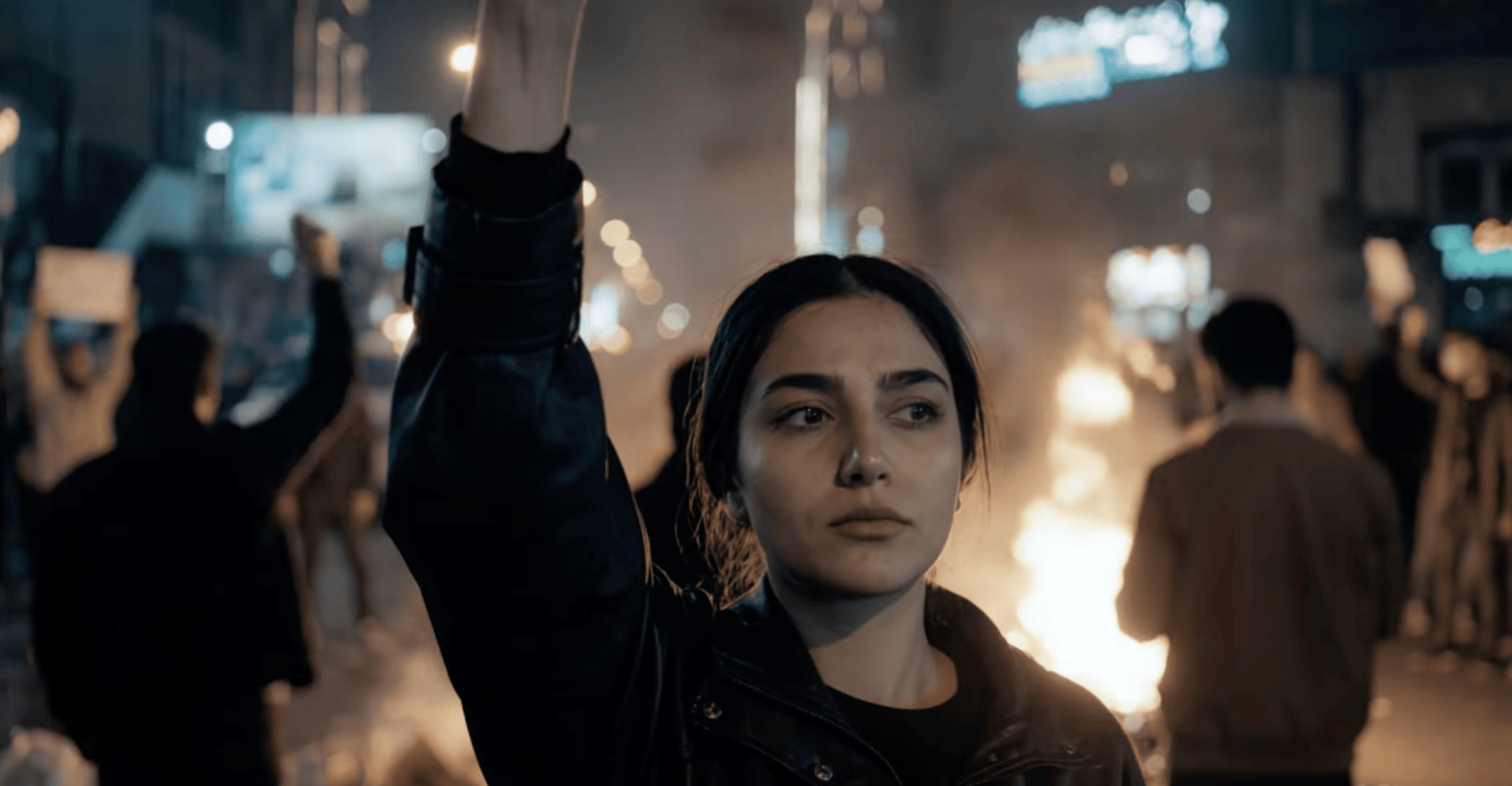
Fumio Yoshimura, President and CEO of Toei Company, gave the keynote “Survival Strategies for Global Enterprises”. Toei, 75 years old, absorbs a new tool in a set order: rules first, experiments in real productions, and human creativity stated as the core. The company pointed to Dreams of Violets, a live action feature made entirely with generative AI and selected for Tribeca in June, and uses AI today for created backgrounds, for a system that helps less experienced producers estimate budgets, and for back office work such as data processing and IP merchandise supervision, with a dedicated team testing applications daily.
A studio publishing generative AI rules, testing in real productions and saying human creativity is the core is not caution. It is a permission structure: everyone on the team knows what the tools are for.
“AI is not something that takes away jobs, but a tool that expands the possibilities of expression and business.” Fumio Yoshimura, Toei, in Variety’s TCCF takeaways
Read through the White Mirror
Read through the White Mirror, this is not a warning against AI. It is a case for preproduction as a craft again: storyboards, previs and decisions made carefully, together, before the expensive part starts. That is inquiry and experimentation, just moved earlier in the process, where it is cheap.
Taipei’s makers shared one habit across film and animation: they named the artist, named the tool, and named the choices, then let the work speak. CODAME brings that habit home to Shanghai on Saturday, December 12, 2026, from 6 to 9pm, for the close of The New Human. Bring your curiosity, bring a print to swap. Submit your work from anywhere in the world to be featured in the Shanghai show, or RSVP to attend:
Sources
AI film panel, Variety report as republished by Arts & Voices
Animation panel, Variety report as republished by AmeriLedger