


An inspiring afternoon in Venice with Elisa Palomino and William W. Fitzhugh, exploring the connections between cultural heritage, scientific research, craftsmanship, and the future of sustainable design.
Venice never stops surprising us.
While visiting the city for the Biennale, we had another wonderful opportunity to explore something quite different, yet equally inspiring.
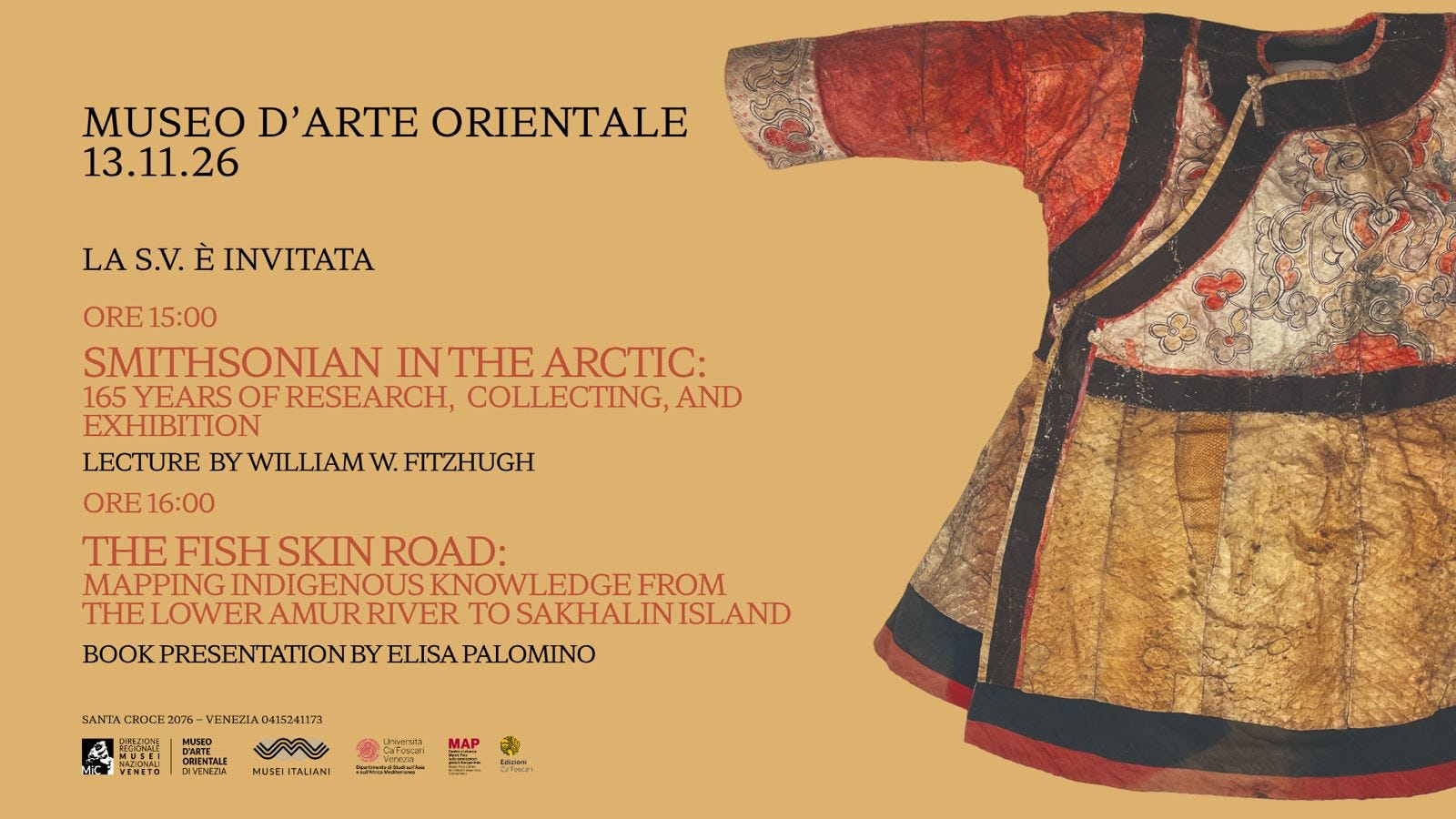
On Friday, November 13, we visited the Museo d’Arte Orientale di Venezia for an afternoon dedicated to Arctic research, Indigenous cultural heritage, and the extraordinary traditions of fish-skin craftsmanship.
The event brought together two researchers from the Smithsonian Institution’s Arctic Studies Center in Washington, DC: Dr. William W. Fitzhugh and Elisa Palomino.
Two fascinating perspectives connecting the past with questions that remain deeply relevant today.
The event was organized in collaboration with Sabrina Rastelli, editor-in-chief of the Marco Polo series at Edizioni Ca’ Foscari, and Maddalena Barenghi from the MaP Marco Polo Centre for Global Europe-Asia Connections.
Special thanks also to Marta Boscolo Marchi, Director of the Museo d’Arte Orientale di Venezia, and everyone involved in bringing this event together.


165 years of Arctic exploration and research
Dr. William W. Fitzhugh, Director of the Arctic Studies Center at the Smithsonian’s National Museum of Natural History, presented Smithsonian in the Arctic: 165 Years of Research, Collecting, and Exhibition.
His lecture explored the Smithsonian’s long history of scientific expeditions, ethnographic collections, and anthropological research in the Arctic.
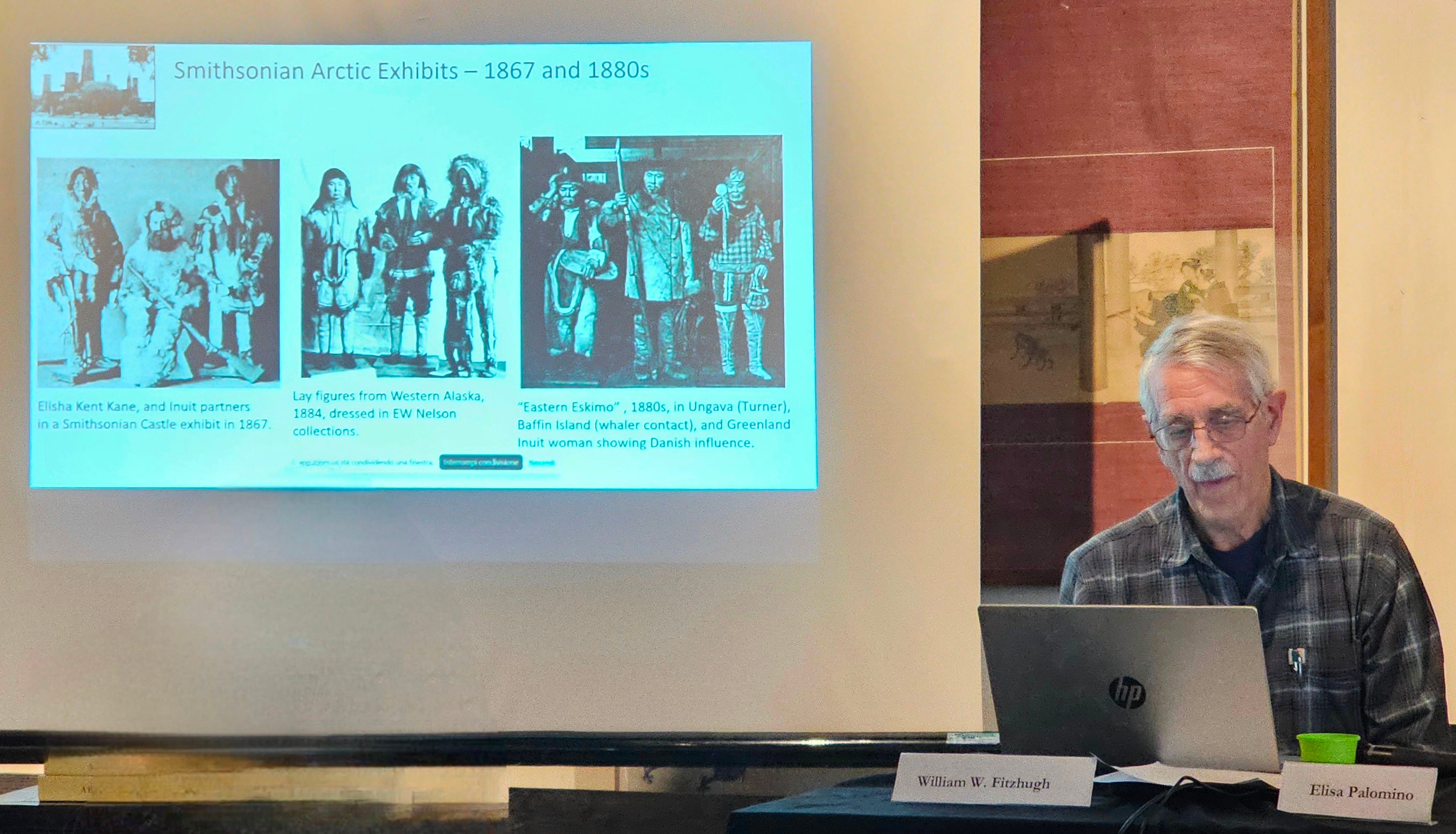
Beyond the history of exploration, the presentation highlighted the importance of documenting Indigenous cultural heritage and understanding how museum collections can continue contributing to contemporary research.
It raises an interesting question: How can knowledge preserved in museums become a living resource for future generations?
Elisa Palomino and The Fish Skin Road
We were especially happy to celebrate Elisa Palomino, an artist, designer, and researcher at the Smithsonian Arctic Studies Center, who presented her new book:
The Fish Skin Road: Mapping Indigenous Knowledge from the Lower Amur River to Sakhalin Island.
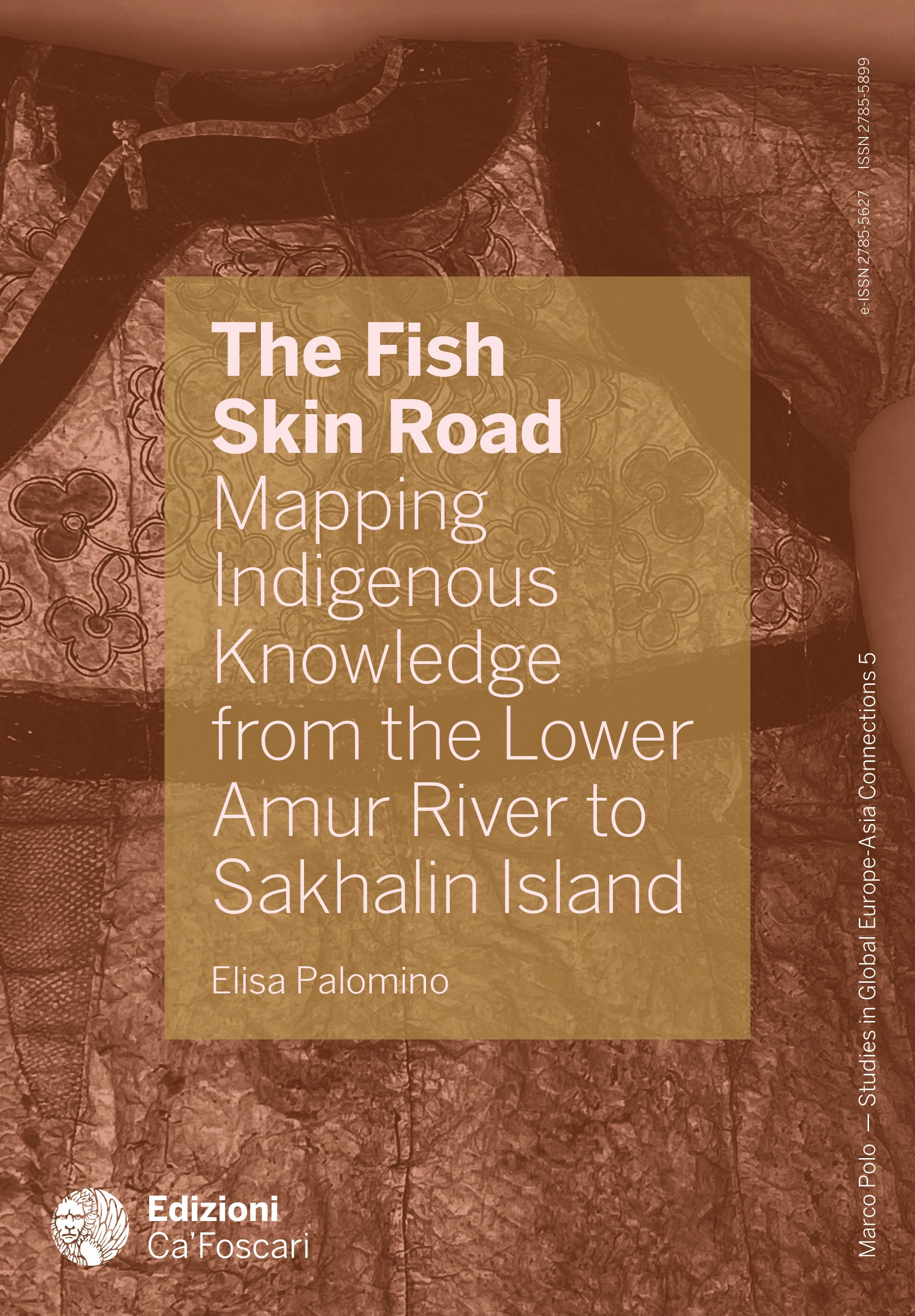
Published in 2026 by Edizioni Ca’ Foscari, as part of the Marco Polo. Studies in Global Europe-Asia Connections series, the book explores Indigenous fish-skin clothing traditions across Northeast Asia.
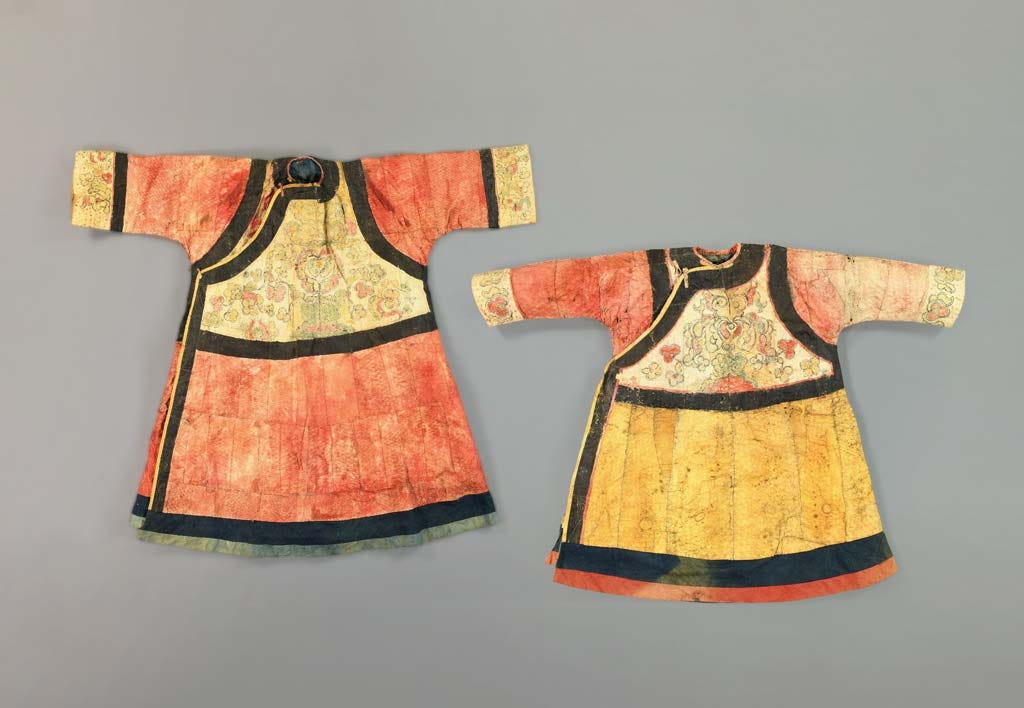
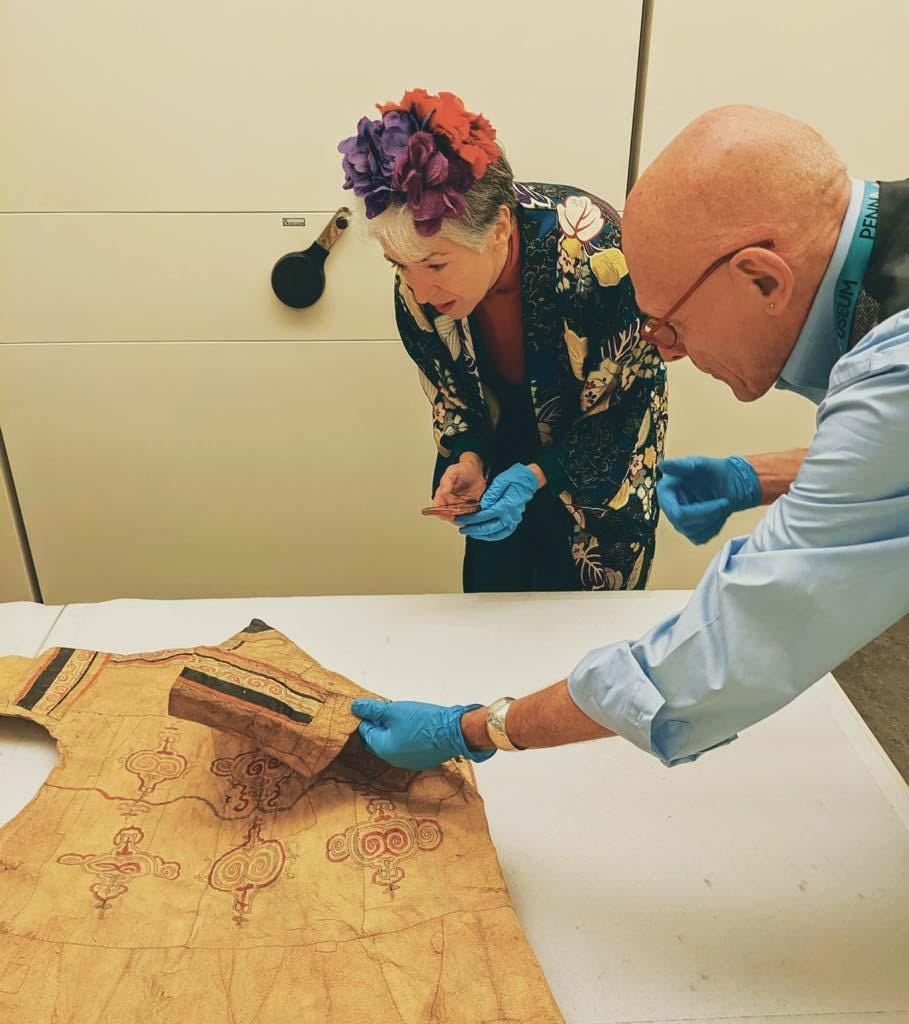
Through historical sources, museum collections, and collaborative research with Indigenous practitioners, Elisa investigates the techniques used to process fish skin, construct clothing, and transmit this remarkable knowledge across generations.
Fish skin, something many of us would consider waste, has been transformed into functional and beautifully crafted garments through generations of accumulated knowledge.
There is something deeply inspiring about that.
Elisa’s research invites us to look at traditional craftsmanship not simply as something belonging to the past, but as a source of knowledge with relevance to contemporary design, material experimentation, and sustainability.
And congratulations to Elisa on the publication of her book!
The digital edition of the book is completely free to read and download. It is published under an open-access. The volume is licensed under a Creative Commons Attribution 4.0 International License (CC BY 4.0). Anyone can read, download, share, and even adapt the text for free as long as they credit the author.
When innovation looks to the past
We often associate innovation with new technologies, new materials, or new inventions.
But sometimes, the most interesting discoveries come from understanding what people have known and practiced for centuries.
It also reminds us of the importance of recognizing the Indigenous communities and practitioners who have preserved these techniques and continue to carry this knowledge forward.
At CODAME, we are fascinated by these connections.
Art doesn’t exist in isolation. It intersects with science, technology, anthropology, fashion, and the ways we understand our relationship with the natural world.
We left with a simple thought:
Perhaps the future of innovation isn’t only about what we can invent, but also about what we can learn from the knowledge humanity has already created.
That’s the kind of curiosity we love to celebrate at CODAME through ARTEX.
Explore further